Beef Tallow

Slow Cooker Beef Tallow is an incredibly versatile ingredient that brings a whole new level of flavor and richness to your kitchen creations. Whether you’re sautéing vegetables, frying up potatoes, or making a sumptuous gravy, incorporating beef tallow offers a deep, savory essence that’s hard to replicate with any other fat. Unlike the often bland vegetable oils or margarine, beef tallow lends a hearty, robust flavor that perfectly complements a variety of dishes. Once you render your own at home, you’ll likely find it a staple in your cooking repertoire.
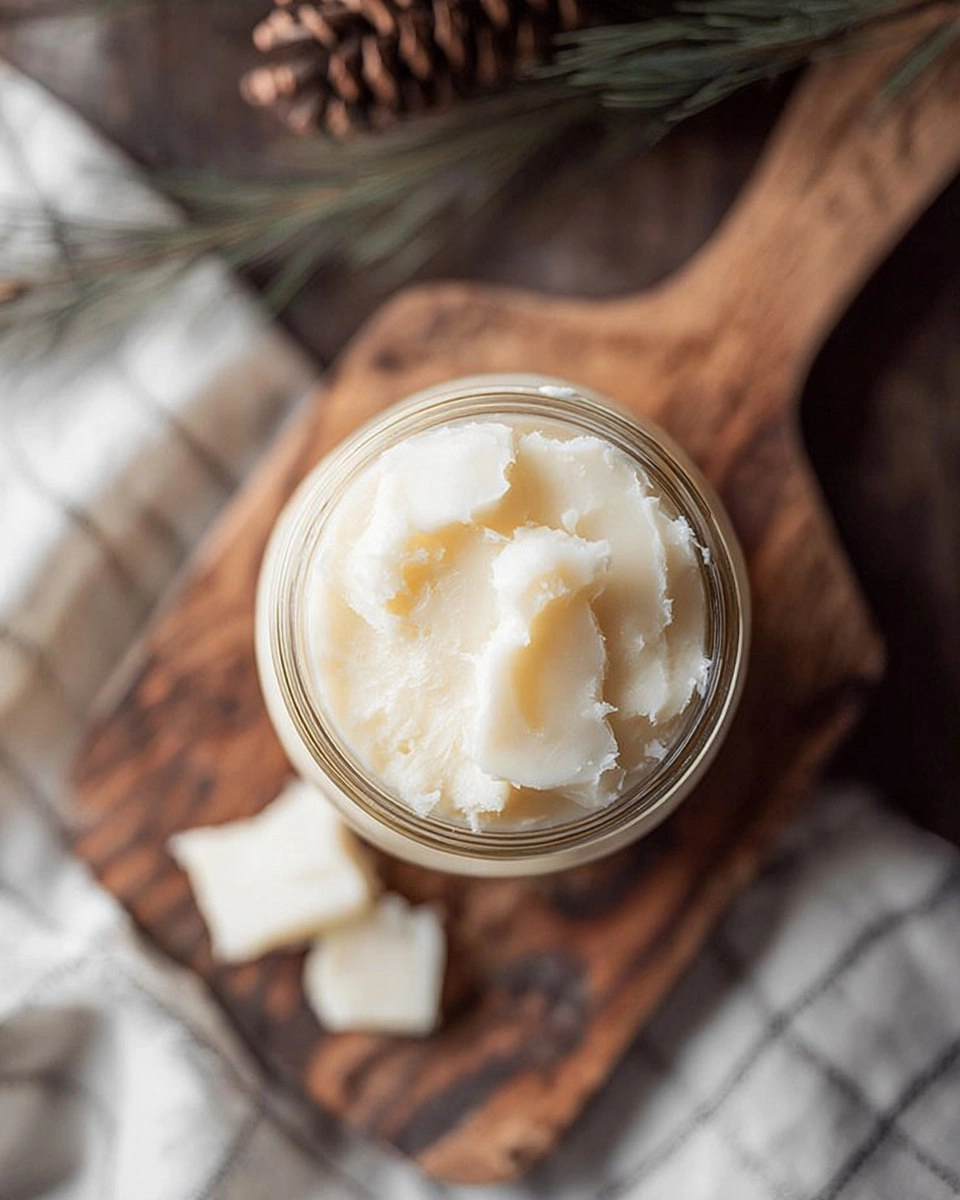
I still remember the first time I made beef tallow in my slow cooker; it felt like a rite of passage into deeper culinary creativity. The process is surprisingly simple and very rewarding, turning what is essentially leftover beef fat into liquid gold! The entire experience feels like a culinary adventure, transforming humble ingredients into something extraordinary. So if you’re looking to elevate your cooking at home while enjoying the satisfaction of DIY, I would love for you to give this easy recipe a try!
Table of Contents
- Why You’ll Love This Recipe
- Ingredients You’ll Need
- How to Make Beef Tallow
- Storing & Reheating
- Chef’s Helpful Tips
- Recipe FAQs
- Beef Tallow
Why You’ll Love This Recipe
- Simple & Quick: With just 15 minutes of prep and a slow cook, you can create a delicious cooking fat without the fuss.
- Irresistible Flavor: The rich, meaty taste of homemade beef tallow adds depth to all your favorite dishes.
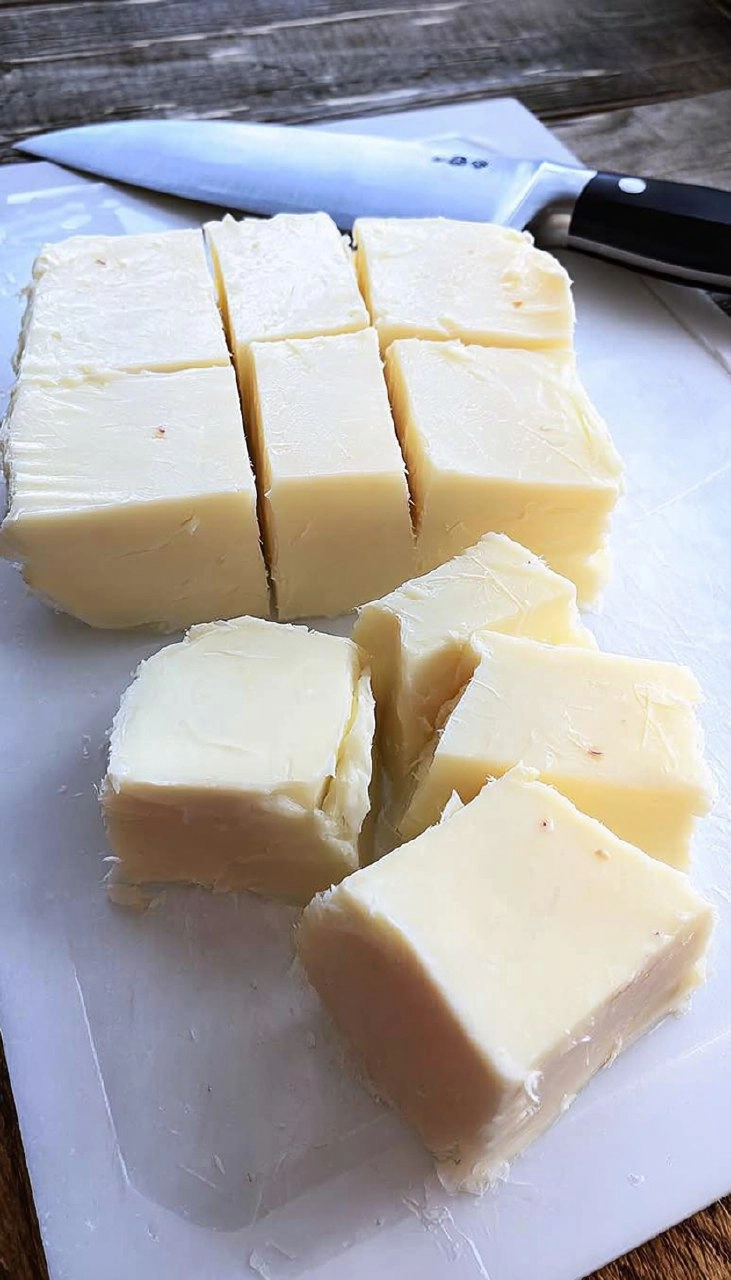
- Eye-Catching Appeal: You’ll love the golden, glistening tallow that solidifies to a beautiful white when cooled.
- Flexible Serving: Use it for frying, baking, or as a flavor enhancer in sauces—great for any meal!
- Budget-Friendly: Utilize beef scraps and create a long-lasting product that saves money in the long run.
Ingredients You’ll Need
- 1 pound raw beef fat (suet or beef trimmings), cut into small pieces or ground: This is the primary ingredient for beef tallow. Use fresh, high-quality fat for the best results, and feel free to ask your butcher for trimmings if you don’t have any on hand.
- 1/4 cup water: This is crucial during the initial stages of cooking to prevent the fat from scorching, ensuring a smooth rendering process.
How to Make Beef Tallow
- Prep Fat: Begin by thoroughly trimming away any visible meat, blood spots, or dark pieces from the beef fat. Cutting the fat into 1 to 2-inch chunks is ideal, but you can also use a grinder for a finer consistency. The cleaner and paler the fat looks, the better your final product will be.
- Load Slow Cooker: Transfer the prepared beef fat to your slow cooker. Pour in ¼ cup of water to help prevent scorching during the initial cooking phase.
- Render: Cover and cook on LOW for 6 to 8 hours. Stir every 1 to 2 hours, enjoying the delightful aromas that start to fill your kitchen. Initially, the fat will appear cloudy and chunky, but as it renders, you’ll notice clear, golden liquid forming. You’ll also hear a gentle bubbling sound which is a sign that everything is cooking nicely.
- Check Doneness: The tallow is cooked properly when the majority of the solid fat has melted, and the liquid becomes clear and golden. You should see browned cracklings settled at the bottom of the slow cooker.
- Strain: Carefully pour the hot liquid fat through a fine-mesh strainer lined with cheesecloth into a heatproof bowl to separate it from any remaining solids. For extra clarity, strain it once more through fresh cheesecloth.
- Jar and Cool: Pour the strained liquid into a clean glass jar. Let it cool uncovered at room temperature for 1 to 2 hours. As it cools, you’ll see it transform into a solid white mass. Once fully cooled, simply cover the jar with a lid.
Storing & Reheating
To store your beef tallow, keep it at room temperature for about a week. If you would like it to last longer, refrigerate it in an airtight container where it can stay fresh for up to a month. You can even freeze it in smaller portions for up to three months. When ready to use, simply take it out and let it thaw, or reheat it gently on the stove until it melts into its marvelous liquid state. Note that freezing and thawing may cause slight changes in texture, but it won’t affect the heavenly flavor!
Chef’s Helpful Tips
- Common mistakes to avoid include not trimming enough of the meat or impurities from the fat, which can lead to off-flavors.
- Use cold fat straight from the fridge; this will render more effectively compared to fat at room temperature.
- If your tallow seems too greasy or feels more oily while cooking, cook it a bit longer to allow more fat to render out.
- To enhance flavor, consider adding herbs or garlic during the rendering—just remove them before straining!
- Making beef tallow ahead of time is a great option, and it can even be an excellent gift for fellow cooking enthusiasts.
It’s wonderful how a simple method can yield such rich, rewarding results. Making your own beef tallow not only saves money but also elevates your meals with a taste of homemade goodness. From roasting vegetables to frying eggs, the options feel endless. I invite you to experiment and infuse your dishes with this delightful beef fat—your taste buds will thank you!
Recipe FAQs
Can I use any type of beef fat for rendering tallow?
How do I know when my beef tallow is ready?
How long can I store beef tallow?
Can I flavor my beef tallow?
More Lunch Recipes
👉 If you make my Beef Tallow recipe, please leave a comment and a star rating — it really helps others discover the recipe.
Follow me on
Pinterest
for more easy recipes.
Beef Tallow
- Prep Time: 15 minutes
- Cook Time: 495 minutes
- Total Time: 8 hours 30 minutes
- Yield: 1 jar 1x
- Category: Cooking Oil
- Method: Slow Cooking
- Cuisine: Homemade
Description
This Beef Tallow recipe is all about rich, irresistible flavor and easy preparation. Only two simple ingredients transform into a delightful cooking fat perfect for healthy meals or comfort food. Enjoy this homemade gem that adds depth to various dishes!
Ingredients
- 1 pound raw beef fat, suet or beef trimmings, cut into small pieces or ground
- 1/4 cup water
Instructions
- Prepare the beef fat by trimming away any visible meat, blood spots, or dark pieces. Cut the fat into 1 to 2-inch chunks or grind it until it's clean and pale.
- Place the prepared beef fat into the slow cooker and add ¼ cup of water to prevent scorching.
- Cover and cook on LOW for 6 to 8 hours, stirring every 1 to 2 hours. Initially, the fat will appear cloudy and chunky, but as it renders, clear, golden liquid will form with a gentle bubbling sound.
- Check the tallow for doneness; it’s ready when most solid fat has melted and the liquid is clear and golden, with browned cracklings at the bottom.
- Carefully pour the hot liquid fat through a fine-mesh strainer lined with cheesecloth into a heatproof bowl. For extra clarity, strain a second time through fresh cheesecloth.
- Transfer the strained liquid into a clean glass jar and let it cool uncovered at room temperature for 1 to 2 hours until it solidifies and turns white. Once cooled, cover with a lid.
Notes
Make sure to handle the hot liquid carefully to avoid burns.
For storage, keep in a cool, dark place; it can last for months when properly stored.
Use beef tallow for frying or as a flavorful base for cooking other dishes.
Nutrition
- Serving Size: 1 tablespoon
- Calories: 115
- Sugar: 0g
- Sodium: 0mg
- Fat: 13g
- Saturated Fat: 6g
- Unsaturated Fat: 7g
- Trans Fat: 0g
- Carbohydrates: 0g
- Fiber: 0g
- Protein: 0g
- Cholesterol: 0mg